Navratri Festival: Celebrating the Power of Goddess Durga
Event Date:
2026-09-05
Event Description
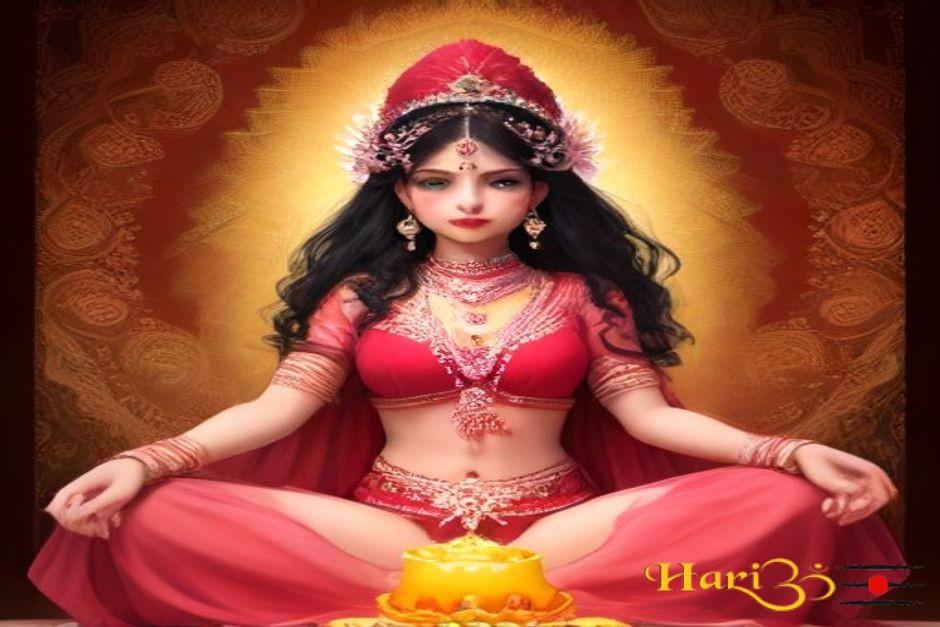
Navratri is a significant Hindu festival celebrated over 9 days, honoring the divine feminine and the triumph of good over evil. The festival is a celebration of the nine forms of Goddess Durga, each representing a distinct aspect of her power and wisdom.
Navratri is a significant Hindu festival celebrated over 9 days, honoring the divine feminine and the triumph of good over evil. The festival is a celebration of the nine forms of Goddess Durga, each representing a distinct aspect of her power and wisdom.
History and Significance of Navratri
The history of Navratri dates back to ancient India, where it was celebrated as a festival to mark the victory of good over evil. According to Hindu mythology, Goddess Durga defeated the buffalo-demon Mahishasura, symbolizing the triumph of good over evil. The festival is also associated with the celebration of the divine feminine, where Goddess Durga is worshipped in her various forms, each representing a different aspect of her power and wisdom.
The Nine Forms of Goddess Durga
The nine forms of Goddess Durga are worshipped during the nine days of Navratri, each representing a distinct aspect of her power and wisdom. The nine forms are: Shailaputri, Brahmacharini, Chandraghanta, Kushmanda, Skandamata, Katyayani, Kalaratri, Mahagauri, and Siddhidatri. Each form is associated with a specific color, planet, and energy, and is worshipped with great devotion and fervor during the festival.
The first form, Shailaputri, is associated with the color red and is worshipped on the first day of Navratri. She is the daughter of the Himalayas and is revered for her purity and innocence. The second form, Brahmacharini, is associated with the color orange and is worshipped on the second day of Navratri. She is the goddess of knowledge and wisdom, and is revered for her spiritual power and strength.
The third form, Chandraghanta, is associated with the color white and is worshipped on the third day of Navratri. She is the goddess of peace and tranquility, and is revered for her calm and soothing energy. The fourth form, Kushmanda, is associated with the color yellow and is worshipped on the fourth day of Navratri. She is the goddess of happiness and prosperity, and is revered for her warm and nurturing energy.
Celebrations and Traditions of Navratri
Navratri is celebrated with great fervor and enthusiasm across India, with different regions having their unique traditions and customs. In Gujarat, Navratri is celebrated with traditional garba and dandiya raas dances, where people gather in large numbers to dance and sing devotional songs. In West Bengal, Navratri is celebrated as Durga Puja, where elaborate pandals are set up to worship Goddess Durga and her various forms.
In other parts of India, Navratri is celebrated with traditional folk dances, music, and theater performances. People also observe fasts and follow a strict vegetarian diet during the nine days of Navratri, as a mark of devotion and respect to Goddess Durga. The festival is also a time for family and friends to come together, and is often marked with feasts, gift-giving, and other social gatherings.
Navratri in Modern Times
In modern times, Navratri has evolved to become a festival that is celebrated not just in India, but across the world. With the advent of social media and digital technology, Navratri has become a global phenomenon, with people from all over the world participating in online celebrations and festivities. The festival has also become a platform for social and cultural exchange, with people from different backgrounds and cultures coming together to celebrate the divine feminine and the triumph of good over evil.
Navratri has also become a significant cultural and economic event, with many businesses and industries benefiting from the festival. The festival is a major tourist attraction, with many people traveling to India to experience the vibrant colors, music, and dance of Navratri. The festival is also a significant source of revenue for many small and medium-sized enterprises, with many people purchasing traditional clothing, jewelry, and other festive items during the nine days of Navratri.
Despite its evolution and modernization, Navratri remains a deeply spiritual and cultural festival, with its roots firmly embedded in Hindu mythology and tradition. The festival continues to be a powerful symbol of the divine feminine, and a celebration of the triumph of good over evil. As the world becomes increasingly complex and challenging, Navratri remains a beacon of hope and inspiration, reminding us of the power of faith, devotion, and community.
Conclusion
In conclusion, Navratri is a significant Hindu festival that celebrates the divine feminine and the triumph of good over evil. The festival is a celebration of the nine forms of Goddess Durga, each representing a distinct aspect of her power and wisdom. With its rich history, cultural significance, and modern-day celebrations, Navratri remains a powerful and enduring symbol of faith, devotion, and community. As we celebrate Navratri, let us remember the values of compassion, kindness, and wisdom that the festival embodies, and strive to create a world that is more just, equitable, and peaceful.